Artificial intelligence is evolving faster than ever. In just a few years, AI has moved from an experimental technology to a tool people use every day. Businesses, developers, and creators now use AI to automate tasks, create content, analyze data, and build new products.Platforms like meshub.ai allow users to access and compare multiple AI models in one place.
As we move through 2026, several major trends are shaping how people use AI. Understanding these trends can help individuals and organizations work more efficiently, adopt better tools, and stay competitive.
In this article, we explore the biggest AI trends in 2026 and what they mean for businesses, creators, and everyday AI users.
Why AI Trends Matter
AI technology is evolving very quickly. New tools, models, and platforms are released every few months.
Keeping up with AI trends helps you:
-
understand where technology is going
-
find new opportunities
-
improve productivity with better tools
-
stay competitive in fast-changing industries
For many professionals and creators, AI is becoming an essential part of daily work.
1. The Rise of Multi-Model AI Workflows
One of the most important AI trends in 2026 is the shift toward multi-model AI workflows.
In the past, most people relied on a single AI model. Today, many users combine several AI models to get better results.
Different models have different strengths. Some are better at reasoning, while others are better at writing, coding, or summarizing information.
A simple multi-model workflow might look like this:
-
Model A generates ideas
-
Model B writes the first draft
-
Model C improves readability
-
Model D checks for clarity or accuracy
Using several models together often produces better and more reliable results.
Tools like meshub.ai make it easier to explore and compare multiple AI models in one place. This helps users find the best model for each task.
As the AI ecosystem grows, using multiple AI models will likely become the standard way people work with AI.
2. AI Is Becoming a Daily Productivity Tool
Another major trend is the rise of AI as a daily productivity tool.
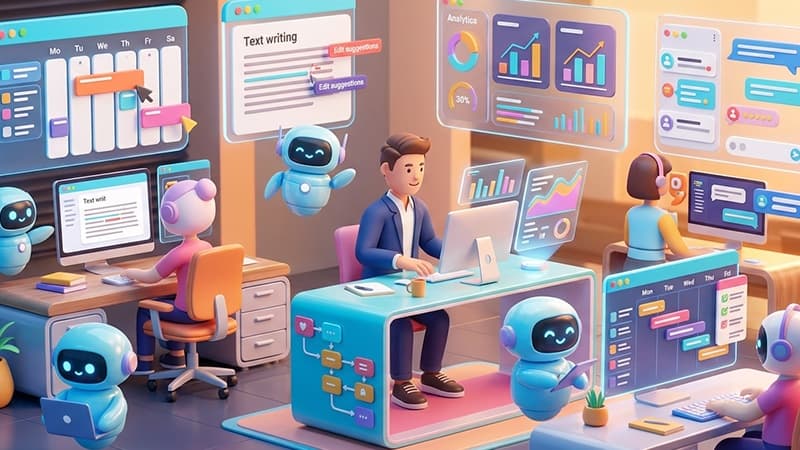
AI is no longer used only by researchers or developers. Today, professionals in many industries use AI for everyday tasks.
Common uses include:
-
writing emails and reports
-
summarizing documents
-
creating marketing content
-
researching information
-
automating repetitive work
For many workers, AI is becoming similar to tools like spreadsheets, search engines, or note-taking apps.
Instead of replacing people, AI is increasingly acting as a digital assistant that helps people work faster and smarter.
3. Specialized AI Models Are Growing Fast
In the early days of AI, most tools relied on a few large general models.
In 2026, we are seeing rapid growth in specialized AI models. These models are designed for specific tasks or industries.
Examples include models for:
-
coding and software development
-
scientific research
-
legal analysis
-
medical documentation
-
marketing and content creation
Specialized models often perform better for specific tasks than general-purpose models.
Because of this, many organizations now use multiple specialized AI tools instead of relying on one system for everything.
4. AI Workflows Are Becoming More Important Than Tools
As the number of AI tools grows, simply choosing one tool is no longer enough.
What matters more is how AI tools work together in a workflow.
For example, a typical AI content workflow might include:
-
research
-
outlining
-
drafting
-
editing
-
publishing
A research workflow might include:
-
collecting data
-
summarizing information
-
analyzing results
-
creating reports
Learning how to build effective AI workflows is becoming an important skill for professionals in many industries.
5. AI-Assisted Content Creation Is Expanding Rapidly
Content creation is one of the fastest-growing uses of AI.
Bloggers, marketers, and creators use AI tools to help with:
-
generating article ideas
-
writing blog drafts
-
creating social media content
-
optimizing content for SEO
-
editing and improving text
AI can greatly reduce the time needed to create high-quality content.If you want to learn how to use AI for writing, read our guide on how to use AI to write blog posts.
However, the best results usually come from combining AI-generated drafts with human editing and expertise.
This hybrid approach helps ensure content remains useful, accurate, and engaging.
6. AI Platforms Are Becoming More Collaborative
Another major trend is the shift toward collaborative AI platforms.
Instead of using separate tools for different tasks, many users prefer platforms where they can:
-
access multiple AI models
-
compare responses
-
switch models easily
-
test prompts across tools
Collaborative AI platforms make it easier to experiment and find the best results.
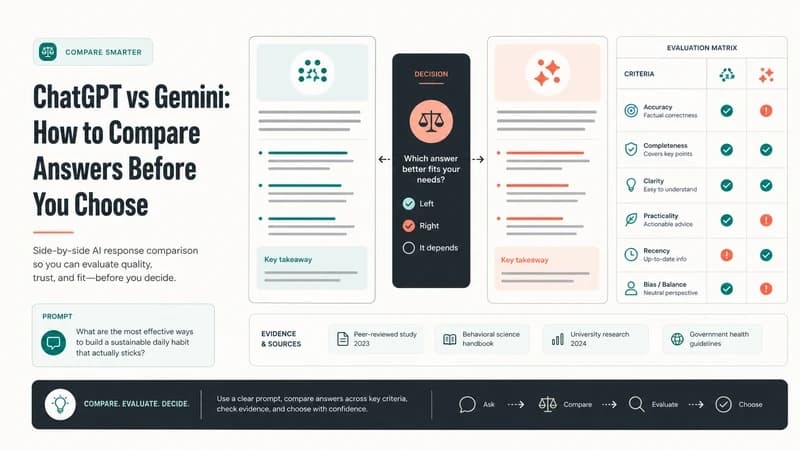
Platforms like meshub.ai allow users to try multiple AI models in one chat and compare responses quickly.
This reflects a broader shift in how people use AI: AI is becoming a team of assistants rather than a single tool.
7. Generative AI Is Expanding Beyond Text
Early generative AI tools focused mainly on text.
Today, many AI systems can generate and understand different types of content.
This includes:
-
text
-
images
-
audio
-
video
-
code
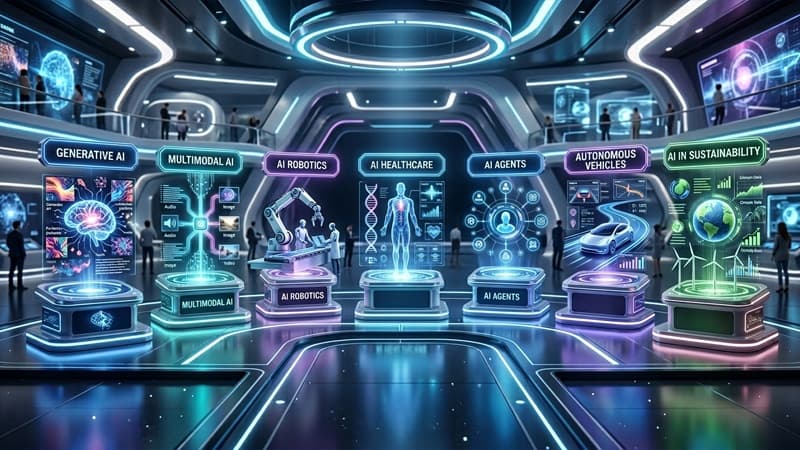
These systems are called multimodal AI models.
Multimodal AI allows users to create more complex projects. For example, someone could generate a blog post, create images for the article, and produce social media content using AI tools.
This capability will continue to expand in the coming years.
8. AI Literacy Is Becoming an Essential Skill
As AI becomes more common, AI literacy is becoming an important skill.
AI literacy includes understanding:
-
how AI models work
-
how to write effective prompts
-
how to verify AI outputs
-
how to use AI tools in workflows
People who learn these skills will be better prepared to use new technologies.
Just as digital literacy became essential during the internet era, AI literacy is becoming essential in the AI era.
How to Stay Ahead of AI Trends
AI is changing quickly, so staying informed is important.
You can stay ahead of AI trends by:
-
testing new AI tools regularly
-
learning how different AI models work
-
building AI workflows that improve productivity
-
following developments in the AI industry
Platforms like meshub.ai help users explore and compare AI models so they can adapt quickly as new technologies appear.
The Future of Artificial Intelligence
AI will continue to evolve in the coming years.
We will likely see:
-
more specialized AI models
-
stronger reasoning capabilities
-
deeper integration into everyday software
-
better collaboration between humans and AI systems
The most successful people and companies will be those who adapt quickly and experiment with new AI tools.
Key Takeaways
Artificial intelligence is reshaping how people work, create, and solve problems.
The biggest AI trends in 2026 include:
-
the rise of multi-model AI workflows
-
AI becoming a daily productivity assistant
-
the growth of specialized AI models
-
the increasing importance of AI workflows
-
the expansion of generative and multimodal AI
-
the growing need for AI literacy
These trends show how quickly artificial intelligence is evolving and how important it is for individuals and businesses to adapt.
By staying informed and experimenting with new tools, people can take full advantage of the opportunities that AI offers. Platforms like meshub.ai make it easier to experiment with different AI models and build smarter AI workflows.
FAQ: AI Trends in 2026
What is the biggest AI trend in 2026?
One of the biggest trends is the rise of multi-model AI workflows, where users combine several AI models to improve accuracy and productivity.
Are AI tools replacing human workers?
In most industries, AI is mainly acting as a productivity tool that assists workers rather than replacing them entirely.
Why are specialized AI models becoming more popular?
Specialized models are designed for specific tasks and often produce better results than general-purpose models.