Published April 21, 2026 in Meshub.ai
How to Use AI for Business Productivity

Share



Artificial Intelligence (AI) is changing how businesses work.
Today, you don’t need a large team to get more done. With the right AI tools, you can save time, reduce manual work, and grow faster.
In this guide, you’ll learn how to use AI for business productivity in a simple and practical way. We’ll also go deeper into real use cases, strategies, and tips so you can apply AI effectively in your business.
👉 Discover and compare AI tools on Meshub.ai to boost your productivity →
What Is AI for Business Productivity?
AI for business productivity means using smart tools to help your business run more efficiently.
These tools can:
-
Handle repetitive tasks
-
Support better decisions
-
Reduce time spent on manual work
In simple terms:
AI helps you work faster and smarter without needing more people.
Why Businesses Are Using AI
More companies are turning to AI because it makes everyday work easier and faster.
Here are the main benefits:
-
Save time by automating routine tasks
-
Reduce errors in reports and data
-
Handle more work without hiring more staff
-
Improve customer experience
Businesses that adopt AI early often gain an advantage.
They can move faster and stay ahead of competitors.
How to Start Using AI (Step-by-Step)
You don’t need to change everything at once. Start small and build over time.
Step 1: Find repetitive tasks
Look for tasks that are simple, manual, and repeated often.
These are the best places to start with AI.
Step 2: Choose the right tools
Pick tools based on your needs, such as marketing, customer support, or operations.
Step 3: Connect your tools
Make sure the AI tools work with what you already use, like email, Slack, or your CRM.
Step 4: Train your team
Show your team how to use the tools in their daily work. Keep it simple at first.
Step 5: Track results
Measure time saved, cost reduction, and output improvement.
👉 Explore AI tools for each step on Meshub.ai →
1. Automate Repetitive Tasks
This is the easiest and fastest way to see results.
AI can take over routine work so your team can focus on more valuable tasks.
Common tasks you can automate:
-
Sorting and replying to emails
-
Scheduling meetings
-
Entering and organizing data
-
Answering common customer questions
Real example:
A small business can use a chatbot to handle most customer questions.
This can save several hours every week and improve response time.
Why this matters:
Many teams spend a large part of their day on repetitive work.
By automating even a few tasks, you can free up time for strategy, creativity, and growth.
👉 Find automation tools on Meshub.ai →
2. Create Content Faster with AI
Content creation takes time, but AI can speed it up.
You can use AI for:
-
Blog posts
-
Social media content
-
Product descriptions
-
Video scripts
How to use it well:
Start with AI to create a draft.
Then edit and refine it to match your brand voice.
Practical tip:
Create a simple prompt template for your team.
This helps keep content consistent and saves time.
Why this matters:
Consistent content helps your business grow online.
AI makes it easier to publish regularly without increasing workload.
3. Use AI to Understand Your Data
Data is valuable, but it is often underused.
AI tools can quickly process large amounts of data and turn it into clear insights.
You can use AI for:
-
Sales forecasts
-
Customer behavior analysis
-
Market trends
-
Performance reports
Example:
A marketing team can identify which campaigns drive the most conversions.
They can then focus their budget on what works best.
Deeper insight:
Instead of just collecting data, AI helps you act on data.
This leads to faster and better decision-making.
4. Personalize Customer Experience
Customers expect more personal and relevant experiences.
AI helps you deliver this at scale.
Examples:
-
Product recommendations
-
Personalized emails
-
Smart chat responses
-
Dynamic website content
Why it matters:
When customers feel understood, they are more likely to trust your brand and return.
Advanced idea:
You can segment users based on behavior and let AI adjust messaging automatically.
This improves both engagement and conversion rates.
5. Improve Team Productivity
AI is not just for customer-facing tasks. It also helps your internal team.
AI can support:
-
Meeting notes and summaries
-
Task tracking
-
Smart reminders
-
Knowledge sharing
Example:
AI can turn a long meeting into short, clear notes with action items.
Why this matters:
Teams spend less time on admin work and more time on meaningful tasks.
This improves both efficiency and job satisfaction.
6. Improve Marketing Results with AI
Marketing requires constant testing and improvement.
AI helps speed up this process.
AI can help you:
-
Find the right audience
-
Test different versions of ads or content
-
Suggest better ideas
Example:
Instead of manually testing ads, AI can automatically optimize them in real time.
Strategy:
Run campaigns, analyze results, and let AI guide your next step.
This creates a continuous improvement loop.
7. Real-World Use Case
Let’s look at a simple example.
A startup team uses AI to:
-
Send automated emails
-
Track user behavior
Results:
-
3x more content output
-
50% less manual work
-
Faster decision-making
What we can learn:
AI works best when applied across multiple areas, not just one task.
8. Common Mistakes to Avoid
While AI is powerful, it’s important to use it wisely.
Avoid these mistakes:
-
Using too many tools at once
Start with one or two tools and expand gradually. -
Relying only on AI
Always review outputs and apply human judgment. -
Skipping team training
Tools are only effective if people know how to use them. -
Not measuring results
Track performance to understand impact.
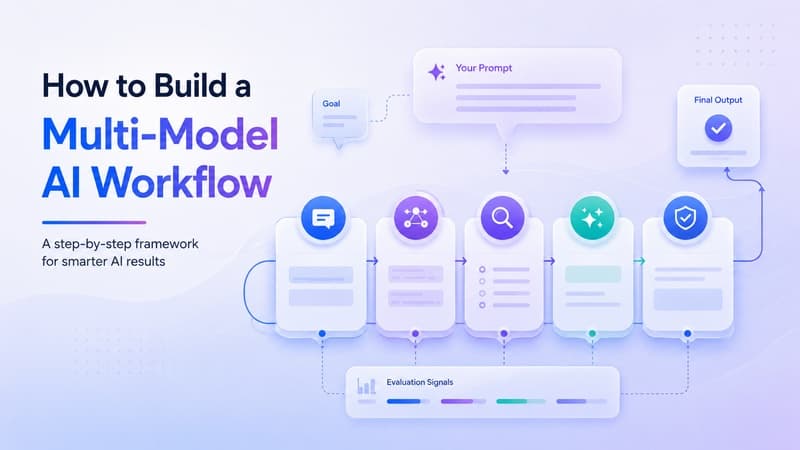
9. How to Build an AI Workflow
To get the most value, AI should be part of your daily workflow.
A simple workflow example:
-
Use AI to collect and organize data
-
Use AI to analyze and generate insights
-
Use AI to create content or actions
-
Review and refine results
Why this works:
AI becomes part of your process, not just a tool you use occasionally.
10. The Future of AI in Business
AI will continue to evolve quickly.
In the near future, businesses will:
-
Automate more complex tasks
-
Use AI for strategic decisions
-
Integrate AI into every department
What this means for you:
The earlier you start, the easier it is to adapt and stay competitive.
Frequently Asked Questions (FAQ)
What is the best AI tool for business productivity?
It depends on your goals. Some tools focus on writing, while others focus on automation or analytics.
Can small businesses use AI?
Yes. Many AI tools are affordable and easy to use, even for beginners.
Is AI difficult to set up?
Most modern AI tools are simple to set up and do not require technical skills.
How does AI improve productivity?
AI saves time by handling repetitive tasks and helping you make better decisions.
How should I start using AI?
Start with one simple task, automate it, and then expand to other areas.
Final Thoughts
AI is now a practical tool for every business.
You don’t need advanced skills or a big budget to get started.
You just need the right approach.
Start small.
Test what works.
Then scale over time.
👉 Ready to get started? Explore AI tools on Meshub.ai →